


T304 Steel vs Titanium: which exhaust material to choose
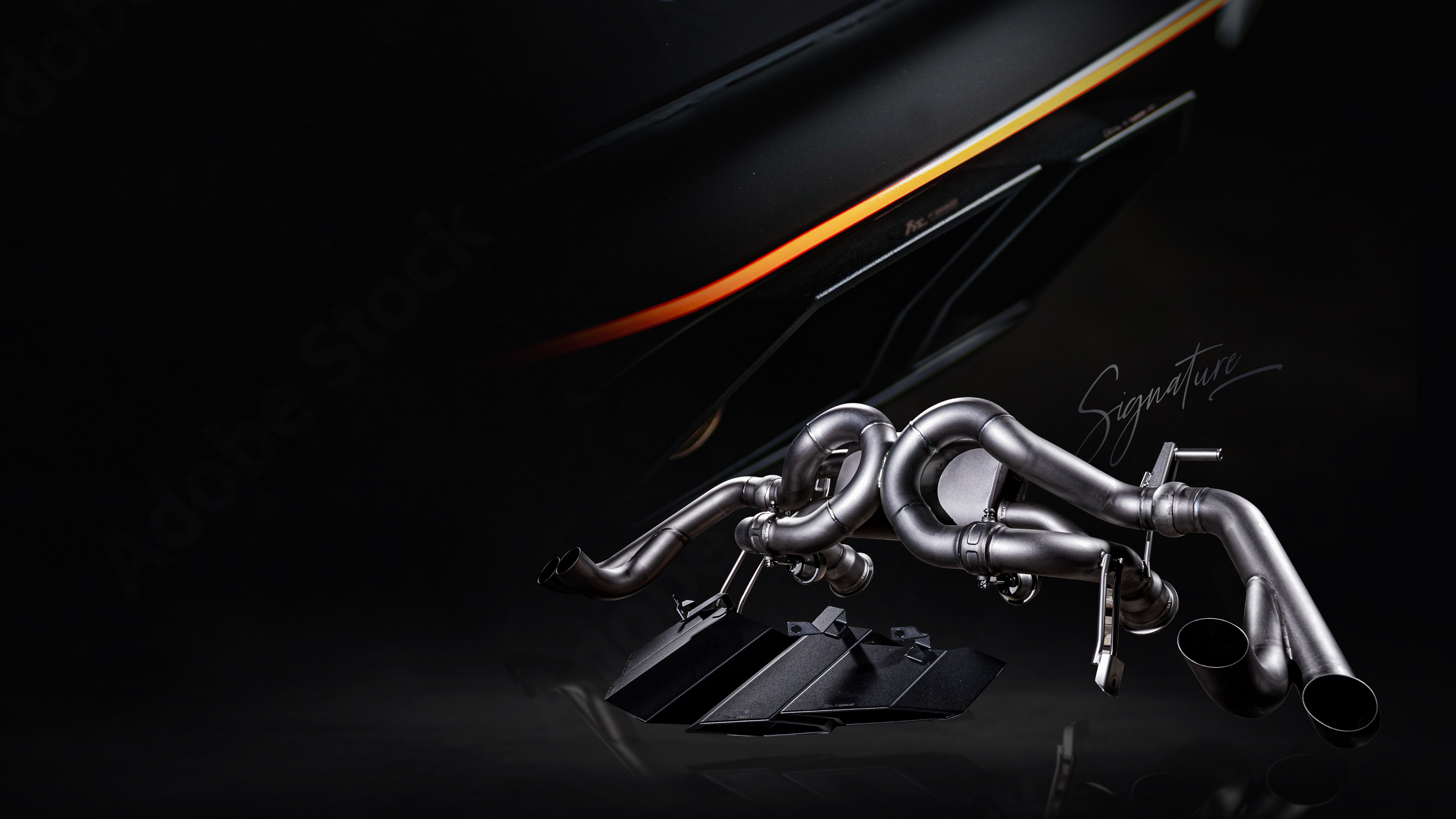
T304 steel vs titanium — which to choose
Aerospace stainless steel or Formula 1 material? We break down the differences in weight, durability, cost, and sound.
Head-to-head on one car
FeT304 steel
Austenitic stainless with 18% chromium and 8% nickel. Aerospace grade. The standard for premium exhausts.
- Working temp
- up to 870°C
- Weight
- 100% (baseline)
- Lifespan
- 100,000+ km
- Price
- Baseline
TiTitanium
F1 and motorsport alloy. High-end standard — Aventador SVJ, 911 GT3 RS, Huracan Performante.
- Working temp
- up to 900°C
- Weight
- 55-60% of steel
- Lifespan
- 200,000+ km
- Price
- +30-50%
Why steel is the standard
T304 was developed for chemical and aerospace industries — where high temperature resistance and aggressive environments matter. Perfect material for Ukrainian roads and winter salt.
Reagent resistance
Winter salt won't damage the surface. Critical on Ukrainian roads.
TIG welding
Argon-shielded sealed seams with no slag.
Repairability
Any shop can re-weld a seam. No specialty service needed.
Lifespan
100,000+ km with no visible wear. Real owner experience.
When the upcharge makes sense
40-45% lighter
On a supercar — minus 8–12 kg. Critical for track days.
Working temp up to 900°C
No property loss under sustained load.
Doesn't rust principally
No pores where corrosion starts. Salt-water resistant.
Golden patina
After first heat cycle — distinctive visual. Wow factor.
How material affects sound
What to pick
T304 for 95% of owners
- Daily driving
- Winter use in Ukraine
- Reasonable price/quality
- Repairable at any shop
- Same Valvetronic, same warranty
Titanium if you:
- Track / drag race
- Own a supercar
- Want motorsport kit
- Value visual wow factor
- Accept +30-50% on price
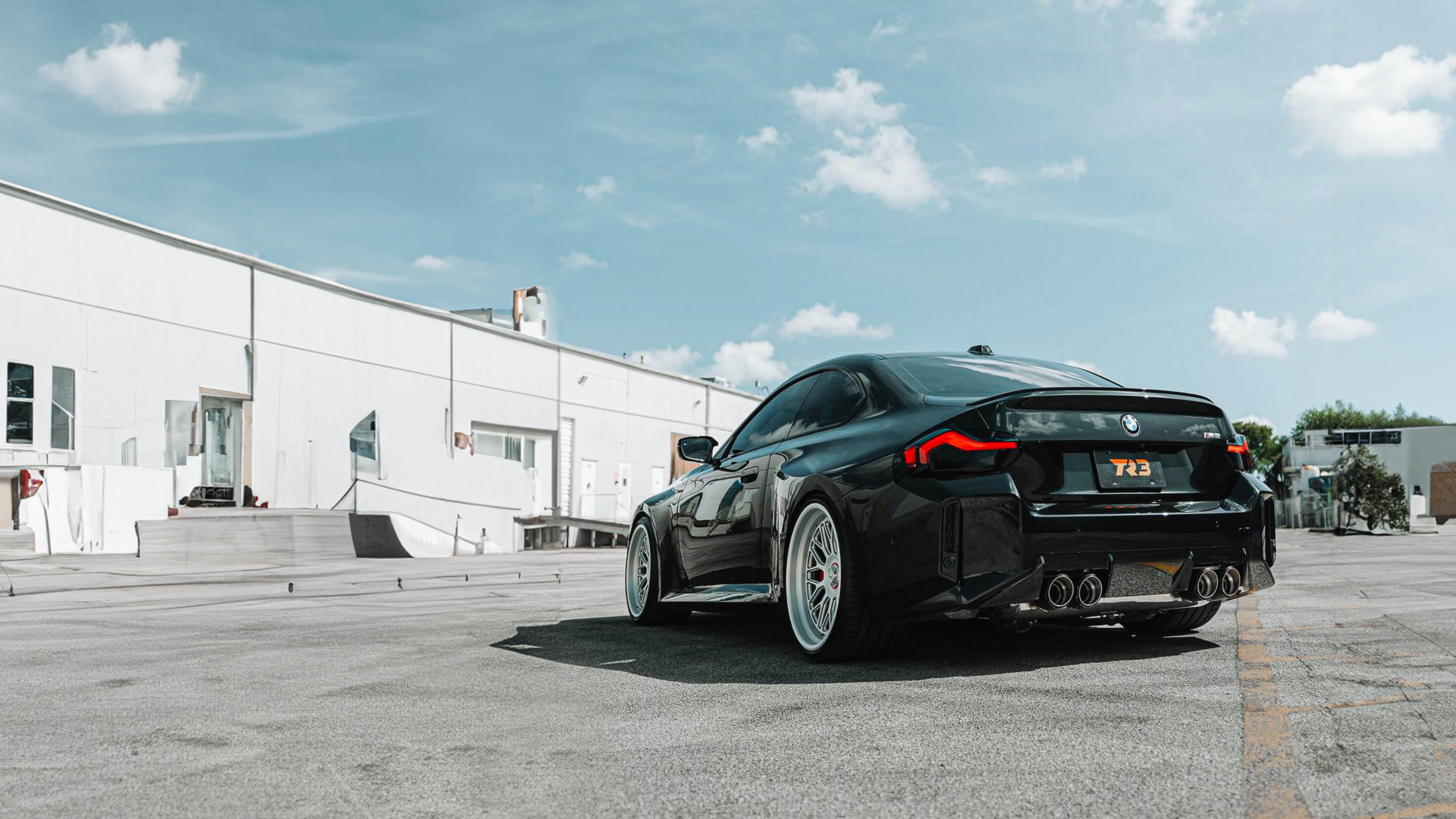
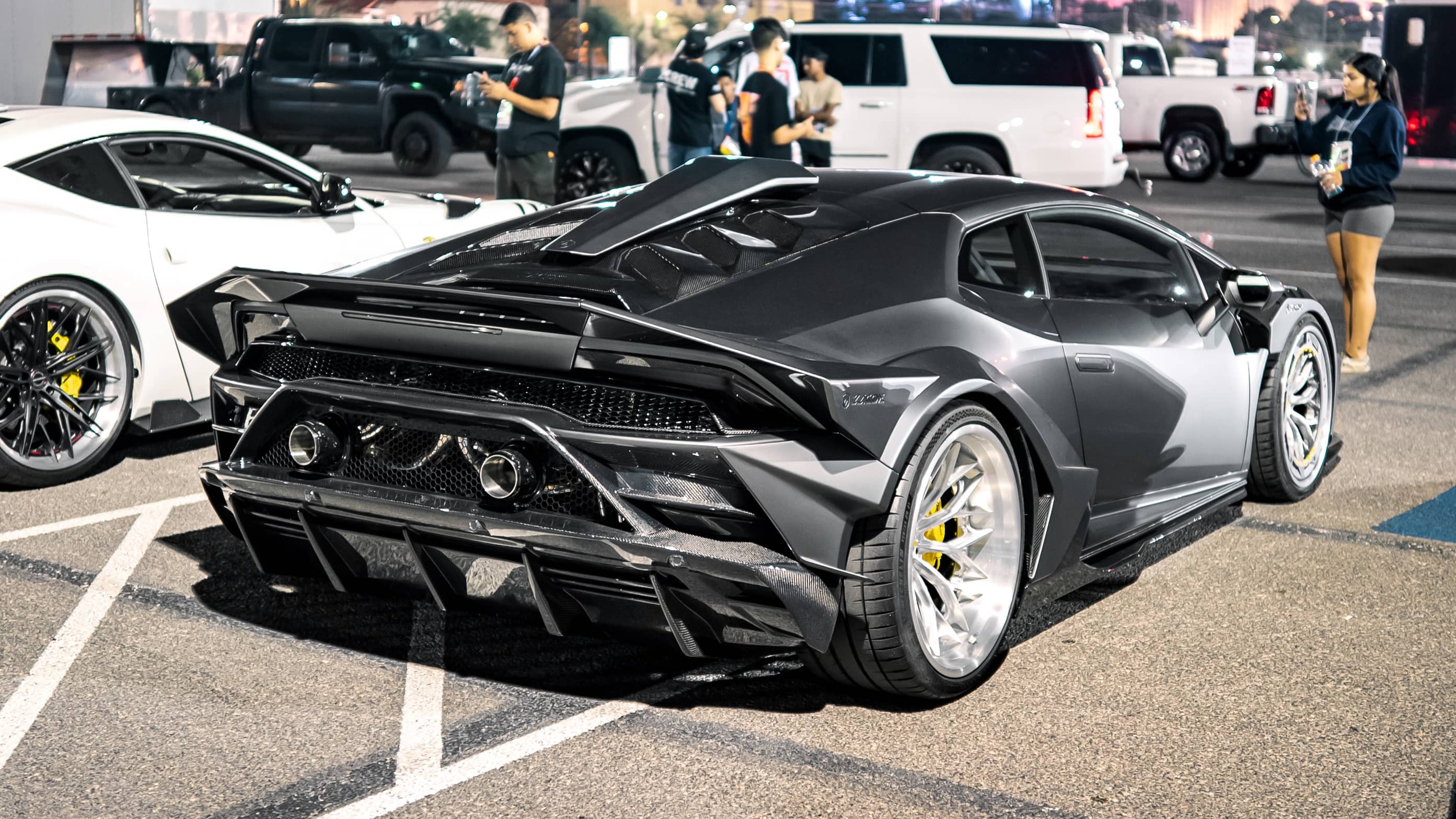
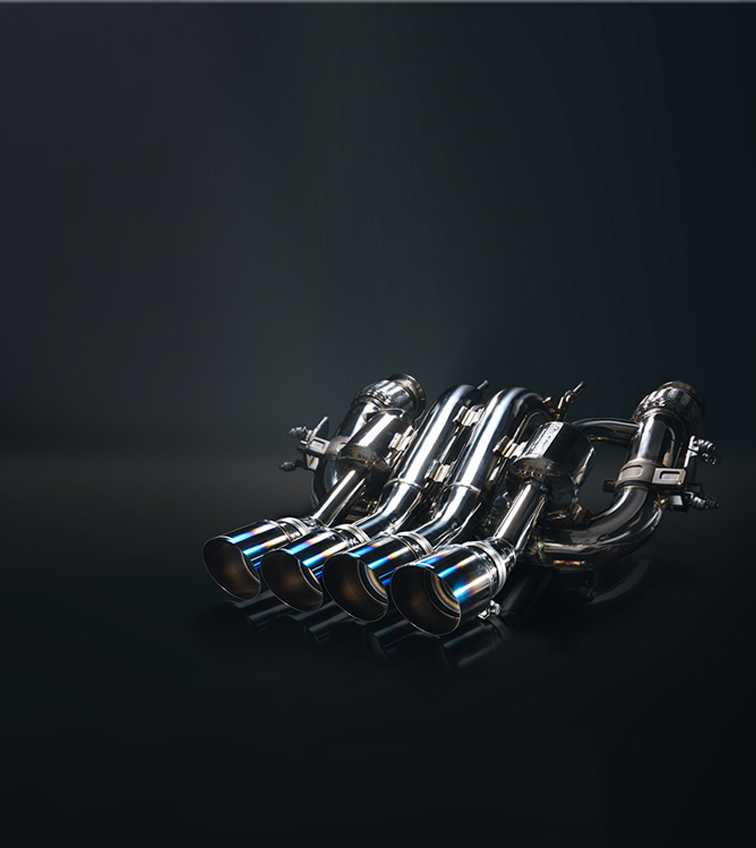
Most models come in T304


Questions? Message us on Telegram
Send your VIN — we'll pick the optimal configuration, sound preview, calculate price and lead time from Taiwan. Reply within 1–2 hours.
Message on Telegram